

Dhurandhar Didn’t Change Bollywood—Upcoming Films Still Follow the Same Formula
Did Dhurandhar fail to change Bollywood? A sharp analysis of upcoming Hindi films like King, No Entry 2, Cocktail 2 and more—are they repeating the same formula again?
If Dhurandhar was meant to change Bollywood… why does the future still look the same?
Expectations and Reality
When Dhurandhar, led by the vision of Aditya Dhar, entered the conversation, it carried a larger expectation—to break Bollywood’s repetitive storytelling cycle.
Audiences believed this could be the shift:
- From formula to content
- From spectacle to substance
- From routine to reinvention
But as the slate of upcoming films unfolds, a different reality emerges.
👉 The system hasn’t changed.
👉 In fact… it may be repeating itself even more.
🎬 Upcoming Bollywood Projects (Reality Check List)
Let’s look at the actual lineup shaping Bollywood’s future:
⭐ King (Shah Rukh Khan)
A massive star-driven project.
👉 Question: Will King bring narrative depth—or rely on star power dominance?
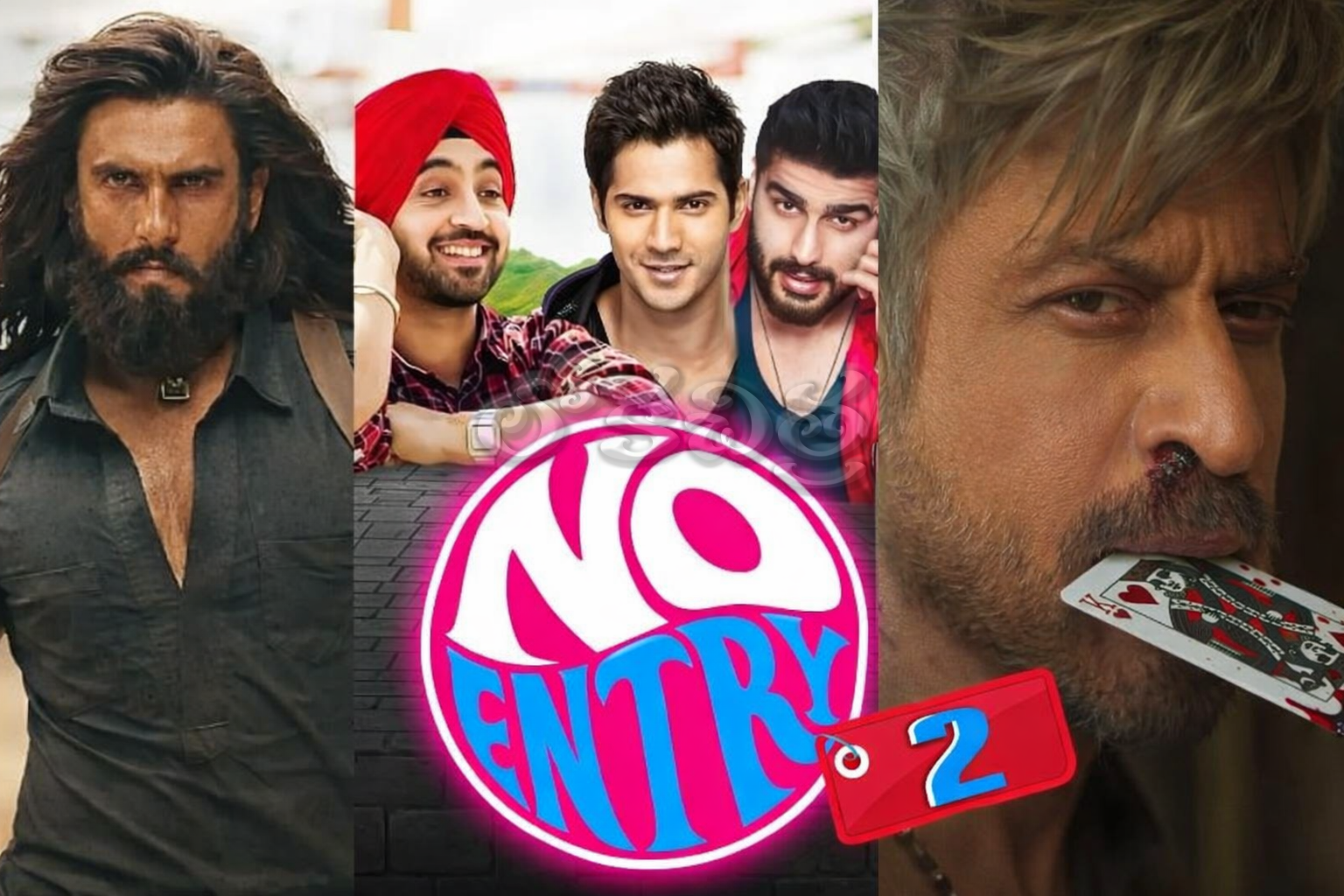
⭐ No Entry 2
A sequel to a cult comedy.
👉 Question: Fresh writing—or nostalgia-driven repetition?
⭐ Cocktail 2
A continuation of a relationship drama.
👉 Question: Modern storytelling—or recycled emotional formula?
⭐ Ginny Weds Sunny 2
Romantic-comedy extension.
👉 Question: Evolution in writing—or safe zone storytelling?
⭐ Welcome to the Jungle 2026 (Akshay Kumar)
Franchise expansion of a comedy universe.
👉 Question: Innovation—or chaotic repetition?
⭐ Dhamaal 4
Another sequel in a long-running comedy series.
👉 Question: Content upgrade—or same humor pattern?
⭐ Alpha (Alia Bhatt Spy Film)
A high-profile action project featuring Alia Bhatt.
👉 Question: Strong narrative—or just entry into spy universe trend?
⭐ Lahore 1947 (Movie)
A period drama with emotional depth potential.
👉 Question: Will content lead—or will it follow commercial packaging?
⭐ Naagzilla
Fantasy-comedy concept.
👉 Question: Unique storytelling—or exaggerated gimmick?
⭐ Bhoot Bangla 2026 (Akshay Kumar)
Horror-comedy genre.
👉 Question: Fresh horror writing—or recycled genre tropes?
⭐ Matrubhoomi (Reimagined/Inspired Projects)
Concept-heavy title.
👉 Question: Bold storytelling—or diluted execution?
⭐ Ek Din
Romantic emotional drama.
👉 Question: Depth—or predictable narrative arc?
⭐ Gabru
Youth-centric entertainer.
👉 Question: Real relatability—or stylized presentation?
⭐ Bandar 2026 (Bobby Deol)
Experimental title with curiosity factor.
👉 Question: True experimentation—or surface-level uniqueness?
💣 Pattern Recognition: What Do These Films Tell Us?
Looking at this lineup, a clear pattern appears:
👉 Sequels dominate
👉 Franchises expand
👉 Star power leads
👉 Genres repeat
So the real question becomes unavoidable:
Is Bollywood moving forward…
or just circling the same formula in a bigger way?
Dhurandhar vs Bollywood Mindset
Dhurandhar symbolized a shift toward:
- Content-first cinema
- Strong writing
- Narrative-driven storytelling
But the industry response suggests:
👉 More sequels instead of originality
👉 More spectacle instead of substance
👉 More safe choices instead of risk-taking
Is Ego Blocking Evolution?
When a film challenges the system, it also challenges those who built it.
So the question arises:
- Is Bollywood ignoring change because:
- It trusts its old formula too much?
- It fears experimenting with content?
- Or it resists following a new path introduced by filmmakers like Aditya Dhar?
Audience vs Industry: The Growing Gap
Today’s audience:
Watches global cinema
Understands layered storytelling
Seeks originality
But when Bollywood continues:
- Repetitive narratives
- Predictable storytelling
- Surface-level engagement
A disconnect becomes inevitable.
The Risk Ahead
If this pattern continues:
- Short-term success may survive
- Long-term credibility may not
- Because audiences evolve faster than industries that resist change.
The Question That Remains
Dhurandhar was expected to start a movement.
Instead, the upcoming slate suggests resistance.
So the final question stands:
👉 Will Bollywood eventually adapt?
👉 Or continue repeating the same formula until the audience moves on?
When one film tries to break the pattern, but ten films repeat it—the system hasn’t changed, it has defended itself.
About The Author