

IsStorytellingDeclining in Big Budget Hollywood Films?
Hollywood Big-budget films often promise grand cinematic experiences, but audiences are increasingly questioning whether storytelling is being overlooked.
Studios invest heavily in visuals and marketing, often prioritizing scale over narrative depth.
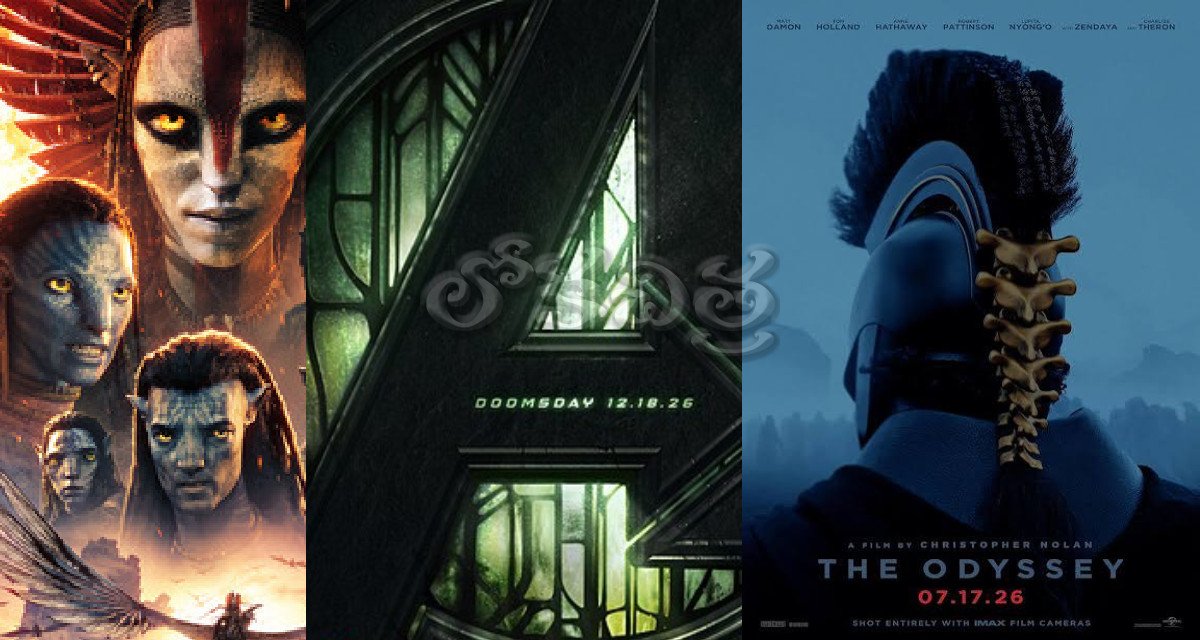
Hollywood Movie, Avatar 3 Fire and Ash is the example of it, Avatar 3 made on big scale and vast VFX scenes which declined by global audience though movie impressed certain audience.
Avatar: Fire and Ash exemplifies visual spectacle fatigue in Hollywood blockbusters.
Despite its groundbreaking VFX, the film faced mixed global reception, highlighting how massive scale can alienate broader audiences.
VFX Scale
Avatar 3 features an unprecedented number of VFX shots, surpassing even Avengers: Endgame, with advanced ash simulations, hyper-detailed faces, and refinements in 3D, VFR, and 4K HDR.
James Cameron pushed CGI boundaries further than predecessors, creating immersive Pandora vistas that critics called “one-of-a-kind thrills” and a “cutting edge” achievement.
Audience Reaction
Global audiences showed division: it surpassed 5 million viewers in Korea alone, hit $1 billion worldwide, and topped box offices for weeks, impressing some with emotional depth and celebrity endorsements.
However, many expressed fatigue over “same old visuals,” repetitive narratives, and excessive runtime, leading to “diminished box office” compared to prior entries and the franchise’s lowest Rotten Tomatoes score at 66%.
Critical Divide
Critics praised the “grand spectacle” and technical marvels but slammed it as “shallow,” “frustratingly repetitive,” and a “hunk of nonsense” with clunky dialogue and “screensaver graphics.”��� This split underscores a trend where VFX-heavy sequels thrill visually but fail to innovate story-wise, declining broad appeal despite niche admiration.
Another Hollywood Movie Big scale Movie, The Odyssey May be get of the declined due to large scale budget movie where Global War Issue Financial Crisis also may effect on it surpass the content acclaim.
The Odyssey is Christopher Nolan’s upcoming big-scale Hollywood adaptation of Homer’s epic poem, featuring a massive $250 million budget driven by practical effects, an ensemble cast including stars like Matt Damon, and recreations of ancient Greek settings with mythical elements like gods and Cyclopes. Concerns about its viability stem from the high financial bar—it needs roughly $625 million at the box office for profitability amid competition from blockbusters like Avengers: Doomsday.
Budget Challenges
The film’s cost rivals Nolan’s The Dark Knight Rises, fueled by location shoots, large extras, and Nolan’s indie-style management despite the scale.
While Nolan’s track record (e.g., Oppenheimer’s success) supports optimism for $1 billion+ earnings, R-rated epics face marketing limits and genre risks.
No direct evidence links current global wars or financial crises to The Odyssey’s decline—production is advancing as of late 2025.
However, big-budget films historically suffer in crises, as seen post-2008 when economic turmoil cut funding for risky projects.
Hollywood’s caution on non-franchise epics could amplify pressures if tensions escalate into 2026-2027.
The focus on franchise-building has led to repetitive scripts. While these films generate initial buzz, they often fail to sustain long-term interest.
Audience Perspective
Viewers today are exposed to diverse storytelling through global platforms, raising expectations significantly.
Global Impact
International films are gaining popularity due to their unique narratives and emotional authenticity.
The future of Hollywood depends on its ability to balance scale with storytelling.
Also Read
Latest Movie News
Hollywood vs Global Cinema
Why OTT Content Is Winning
About The Author


