

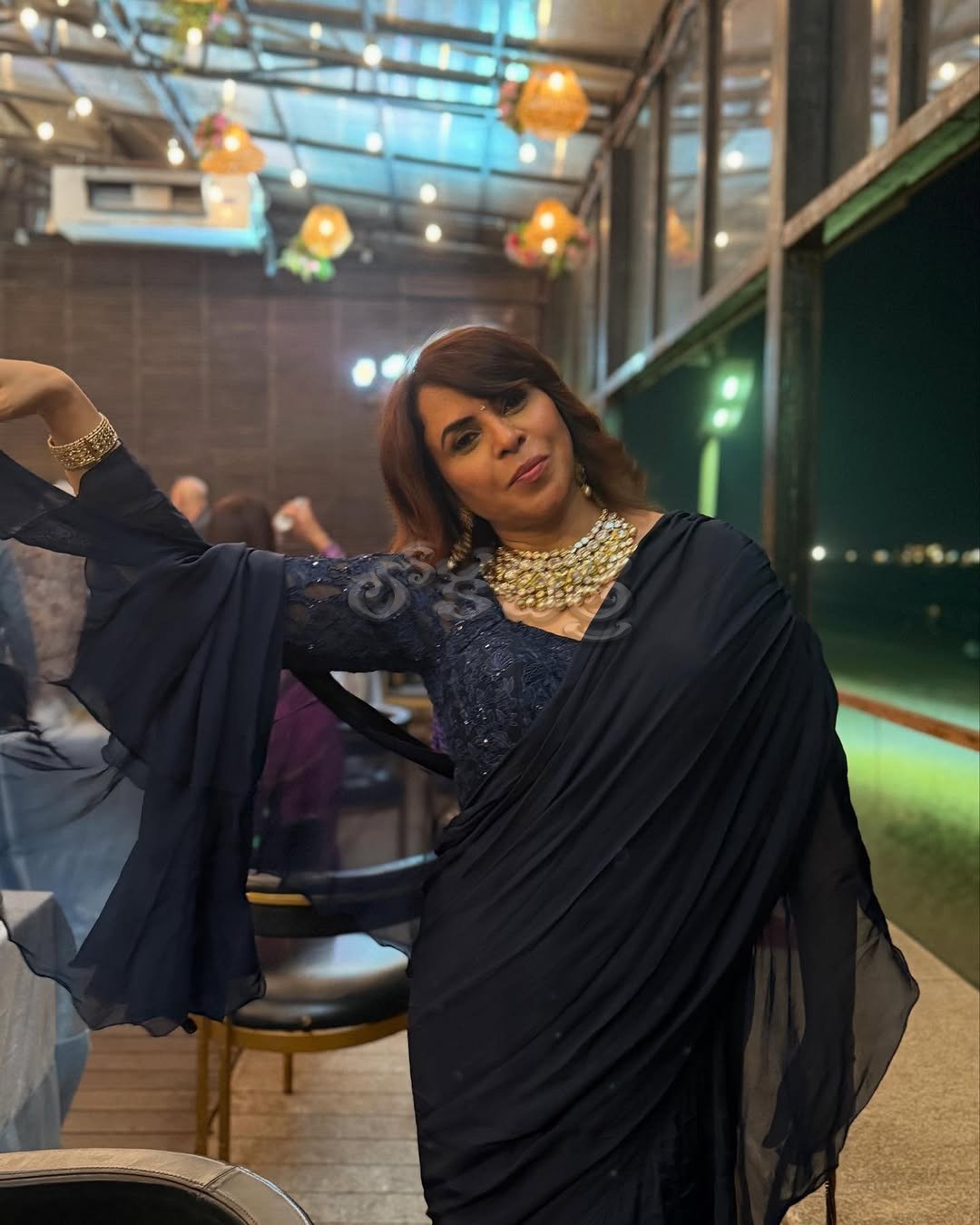
Aarti Bajaj: The Fantastic Film Editor Who Brings Life to Films of Anurag Kashyap and Imtiaz Ali
Explore how Aarti Bajaj, one of India’s finest film editors, brings life to films of Anurag Kashyap and Imtiaz Ali with powerful storytelling and editing techniques.
In cinema, what the audience feels often depends not just on what is shot—but on how it is shaped. And Aarti Bajaj is one of the finest artists shaping modern Indian storytelling.
Who is Aarti Bajaj?
1 is widely regarded as one of the most influential film editors in Indian cinema. Known for her long-standing collaborations with 2 and 3, she has played a key role in shaping some of the most impactful films of the last two decades.
Her work goes beyond technical editing—it involves understanding human emotions, narrative rhythm, and the psychology of the audience.
Editing Style: Where Emotion Meets Precision
Aarti Bajaj’s editing style is rooted in realism and emotional authenticity. She does not rely on excessive cuts or flashy transitions. Instead, she focuses on:
- Natural flow of scenes
- Character-driven pacing
- Emotion-first storytelling
- Subtle transitions that enhance immersion
This approach allows the audience to feel the story rather than just watch it.
Iconic Film Collaborations with Anurag Kashyap
Her collaboration with 4 has resulted in some of the most groundbreaking films in Indian cinema:
1. Paan Singh Tomar
This film required a documentary-style editing approach. Aarti Bajaj used a raw and realistic narrative structure, maintaining intensity without losing clarity.
2. Black Friday
Handling a multi-layered story with multiple characters and timelines is not easy. Her editing ensured seamless transitions, making a complex narrative highly engaging.
3. Udaan
This film showcased a completely experimental style. The editing was bold, fragmented, and visually dynamic—perfectly matching the film’s unconventional storytelling.
Emotional Depth in Imtiaz Ali’s Films
Working with 8, Aarti Bajaj brings a completely different tone—focusing on emotional journeys and character arcs:
1. Rockstar
The non-linear narrative of Rockstar required careful structuring. Her editing balanced past and present seamlessly, enhancing the emotional impact.
2. Love Aaj Kaal (2009)
In this romantic drama, pacing was crucial. She ensured that the film maintained a lively rhythm while allowing emotional moments to breathe.
3. Tamasha
This film relied heavily on silence and internal emotion. Her editing preserved the rawness, making the journey feel authentic and immersive.
Deep Analysis: Why Her Editing Works
Aarti Bajaj’s work stands out because she understands one fundamental principle—editing is storytelling.
Here’s what makes her approach unique:
1. Psychological Engagement
She edits scenes in a way that aligns with human attention patterns. Viewers stay engaged because the pacing feels natural.
2. Emotional Timing
She knows exactly when to cut and when to hold a shot. This creates emotional resonance, making scenes more impactful.
3. Narrative Clarity
Even in complex films, her editing ensures that the audience never feels lost.
4. Adaptability
From intense crime dramas to soft romantic films, her versatility allows her to adapt to different storytelling styles.
Why Editors Like Aarti Bajaj Matter in 2026
In today’s era of OTT platforms and global content exposure, audience expectations have changed. Viewers now demand:
- Engaging storytelling
- Strong emotional connection
- Clear narrative structure
Editors like Aarti Bajaj play a critical role in meeting these expectations. Without strong editing, even the best films can fail to connect.
Aarti Bajaj is not just an editor—she is the invisible storyteller who gives rhythm, emotion, and life to cinema.
Her work proves that great films are not just made on sets—they are crafted in the editing room.
Read More
Latest Movie News
Indian Cinema Analysis
Film Editing Techniques Explained
About The Author