
Bollywood 2026 – A New Era of Storytelling
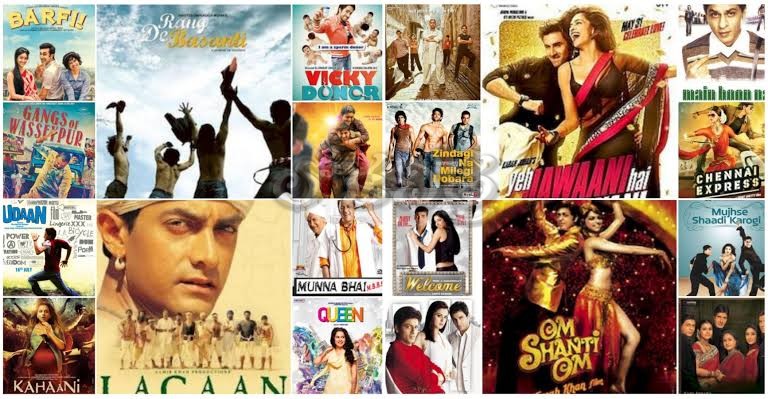
Bollywood’s Shift Towards Content-Driven Cinema in 2026: A New Era of Storytelling
The Bollywood film industry is undergoing a major transformation in 2026, marking a shift from traditional formula-based cinema to content-driven storytelling. For decades, Bollywood relied heavily on star power, commercial elements, and predictable narratives. However, modern audiences have evolved, and their expectations have changed significantly. Today, viewers are seeking meaningful stories, strong character development, and emotionally engaging content that resonates on a deeper level.
This shift is not sudden but a gradual evolution driven by multiple factors, including digital exposure, global cinema influence, and changing audience preferences. With the rise of internet accessibility and streaming platforms, viewers are now exposed to diverse storytelling styles from across the world. This exposure has raised the bar for Bollywood filmmakers, pushing them to innovate and deliver high-quality content.
One of the most notable aspects of this transformation is the increasing importance of strong scripts. In the past, films could succeed purely based on star appeal, but today, a well-written story is the backbone of any successful project. Audiences are no longer satisfied with superficial entertainment; they expect depth, realism, and authenticity in the narratives they consume.
Another key driver of this change is the growing competition from regional film industries. South Indian cinema, in particular, has gained massive popularity for its powerful storytelling and high production values. This has created a competitive environment, encouraging Bollywood to rethink its strategies and focus more on quality rather than quantity.
The rise of OTT platforms has further accelerated this shift. Streaming services have created a space for experimental and unconventional content that may not fit the traditional theatrical model. Filmmakers now have the freedom to explore unique themes, complex characters, and bold narratives without the pressure of box office performance. This has led to the emergence of a new wave of cinema that prioritizes creativity and originality.
In addition, audience demographics have also played a crucial role in shaping this transformation. The younger generation, which forms a significant portion of the audience, prefers relatable and realistic stories. They are more likely to connect with films that reflect their own experiences and challenges. This has encouraged filmmakers to move away from exaggerated storytelling and focus on authenticity.
Technology has also contributed significantly to this evolution. Advanced filmmaking techniques, improved visual effects, and high-quality production standards have enhanced the overall cinematic experience. Filmmakers are now able to bring their creative visions to life with greater precision and impact.
Marketing strategies have also evolved alongside this transformation. Digital promotions, social media campaigns, and audience engagement have become essential tools for film promotion. Word-of-mouth publicity and online reviews now play a major role in determining a film’s success, making it even more important for filmmakers to deliver quality content.
Moreover, the definition of success in Bollywood has changed. Instead of focusing solely on box office numbers, success is now measured by audience appreciation, critical acclaim, and long-term impact. Films that leave a lasting impression are valued more than those that achieve short-term commercial success.
The shift towards content-driven cinema is also opening doors for new talent. Writers, directors, and actors who prioritize storytelling over glamour are gaining recognition and opportunities. This has led to a more diverse and inclusive industry where creativity is celebrated.
In conclusion, Bollywood’s transition towards content-driven cinema represents a positive and necessary evolution. It reflects the changing tastes of audiences and the industry’s willingness to adapt to new trends. As this transformation continues, Bollywood is expected to produce more meaningful, engaging, and globally relevant films that resonate with audiences across cultures.











Leave a Reply