
Ramu Rathod Beats Allu Arjun on YouTube as Folk Music Challenges Film Industry
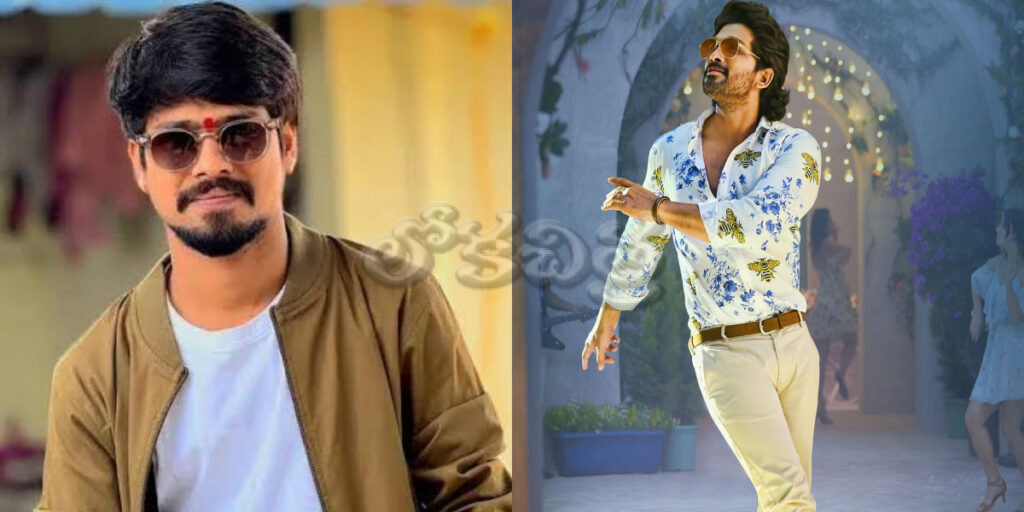
Ramu Rathod Beats Stylish Raaka Icon Allu Arjun
Telangana folk music is making a powerful statement in the digital entertainment space. A song rooted in regional language, local culture and independent production has overtaken a major Telugu film song on YouTube, raising a bigger question for the entertainment industry: are audiences increasingly choosing folk music and creator-led content alongside — and sometimes ahead of — big-screen music?
Ramu Rathod’s Ranu Bombai Ki Ranu, featuring singer Prabha and Likhitha, has emerged as a landmark success for independent Telugu folk music. A report published on November 18, 2026, placed the song at around 957 million YouTube views, ahead of the approximately 955 million reported for Allu Arjun and Pooja Hegde’s Butta Bomma from Ala Vaikunthapurramuloo. The figures are a reported snapshot and can change as the videos continue to gain views. The folk song is now approaching, but has not yet reached, the one-billion milestone.
Ramu Rathod’s milestone signals a changing music landscape
The significance of Ranu Bombai Ki Ranu goes beyond a comparison between two songs. Butta Bomma benefited from a major theatrical release, a star-led film, a large production ecosystem and the promotional reach of mainstream cinema. In contrast, Ramu Rathod’s folk hit built its audience as an independent music release, powered by its regional flavour, memorable rhythm, dance appeal and strong circulation across digital platforms.
That contrast makes the achievement important. It demonstrates that a song does not always need a major film, a celebrated actor or a large studio campaign to become a mass phenomenon. A strong musical identity and a direct connection with listeners can create extraordinary reach.
Folk music is becoming a mainstream entertainment choice
Telangana folk music has travelled far beyond the settings in which it was traditionally heard. Its beats are now part of weddings, celebrations, stage performances, short-form videos, television entertainment and everyday social-media culture. The combination of familiar dialect, energetic rhythms, relatable themes and easy-to-share video formats gives folk releases a route to audiences that is different from the traditional film-promotion cycle.
This does not mean cinema has lost its audience or that folk music has replaced films as the number-one entertainment choice for everyone. It does show that entertainment consumption is becoming more distributed. Viewers can move from a film trailer to a folk video, a television show, a serial episode or a creator’s performance without depending on one industry to provide all their entertainment.
Ramu Rathod and the rise of independent folk stars
Ramu Rathod’s success illustrates how regional artists can build recognition through their own releases. His journey also reflects a wider opportunity for folk singers, lyricists, composers, performers and independent producers. When a song connects with audiences, its reach can extend across age groups, locations and language communities.
Artists such as Naga Durga, Mamatha Rathod, Pooja Nageswar, Madhuri Rathod and Yamuna Tarak are among the names associated with the expanding folk-performance space. Their popularity and individual strengths should be understood on their own terms rather than reduced to a single ranking against film or Bollywood performers. Folk dance has its own vocabulary, energy and performance traditions; it deserves recognition as an art form, not merely as a comparison with film choreography.
Why folk performances are connecting with audiences
One reason for the growing visibility of folk performers is the immediacy of their connection with viewers. Regional expressions, familiar cultural references and dance styles that audiences can recreate help songs travel through social platforms. A successful folk video can become part of a celebration or a community event, giving it a life beyond the original upload.
Film stars such as Allu Arjun continue to command enormous popularity, while performers including Sai Pallavi, Pooja Hegde and other leading actors have their own established audiences. The rise of folk artists does not require dismissing those stars. Instead, it points to a broader entertainment ecosystem in which regional creators can achieve comparable moments of digital attention through a very different route.
Television, serials and folk entertainment can grow together
Television programmes and serials remain important parts of the entertainment landscape, and folk performers increasingly benefit from opportunities to appear on stages and television formats. The relationship between digital music, television and cinema is becoming more connected: a viral song can introduce an artist to television audiences, while a television appearance can send viewers back to the artist’s online catalogue.
Rather than a simple takeover in which films become the least-preferred form of entertainment, the more credible reading is that audiences now have more choices and distribute their attention across formats. Folk music is no longer confined to a niche category. It is competing for mainstream attention and proving that independent regional content can deliver extraordinary digital numbers.
The road to one billion views
The next milestone for Ranu Bombai Ki Ranu is the one-billion-view mark. Reaching it would be a major achievement for a Telugu independent folk release and another example of the scale regional music can reach online. The reported lead over Butta Bomma has already given the song a place in the conversation about the most-watched Telugu music videos.
For the Telugu music industry, the message is clear: the future is not limited to film soundtracks. Independent labels, folk artists, digital creators and regional music producers can all build large audiences when they deliver content that people want to hear, watch and share. Ramu Rathod’s milestone is not proof that cinema is finished; it is proof that the centre of musical attention is widening — and Telangana folk music is now a major part of that story.
Bottom line: Ramu Rathod’s Ranu Bombai Ki Ranu overtaking Butta Bomma in reported YouTube views is a landmark moment for Telugu folk music. As it approaches one billion views, the song highlights the growing power of independent regional entertainment and the changing ways audiences discover music.
View-count figures cited in this report are based on media reports available on November 18, 2026, and may change. View counts alone do not establish an overall ranking of artists or entertainment industries.
Related reporting: TMV report on Ranu Bombai Ki Ranu surpassing Butta Bomma | Asianet Telugu report on Ramu Rathod’s folk hits








Leave a Reply